What Are Development Life Skills?
Development Life Skills, also known as Increased Social and Community Participation under the NDIS Capacity Building budget, focuses on helping you develop the skills and confidence to live more independently and participate fully in your community. Unlike assistance with daily tasks, life skills development is about building your capability to do things for yourself, make your own decisions, and achieve your personal goals.
At MaxAbility Services, we believe that everyone has potential for growth and development, regardless of their starting point. Our Development Life Skills programs are designed to be person-centered, goal-focused, and empowering. We work alongside you to identify what skills matter most to you, break complex tasks down into achievable steps, and provide the right level of support to help you succeed while building your independence.
This support is funded through the Capacity Building budget of your NDIS plan because it's all about building capacity—increasing what you can do independently over time. The goal is not to create dependency on support services, but rather to equip you with skills, knowledge, and confidence that stay with you for life.
Areas of Life Skills Development
Our Development Life Skills programs cover a comprehensive range of areas, all tailored to your individual goals, interests, and circumstances.
Daily Living Skills
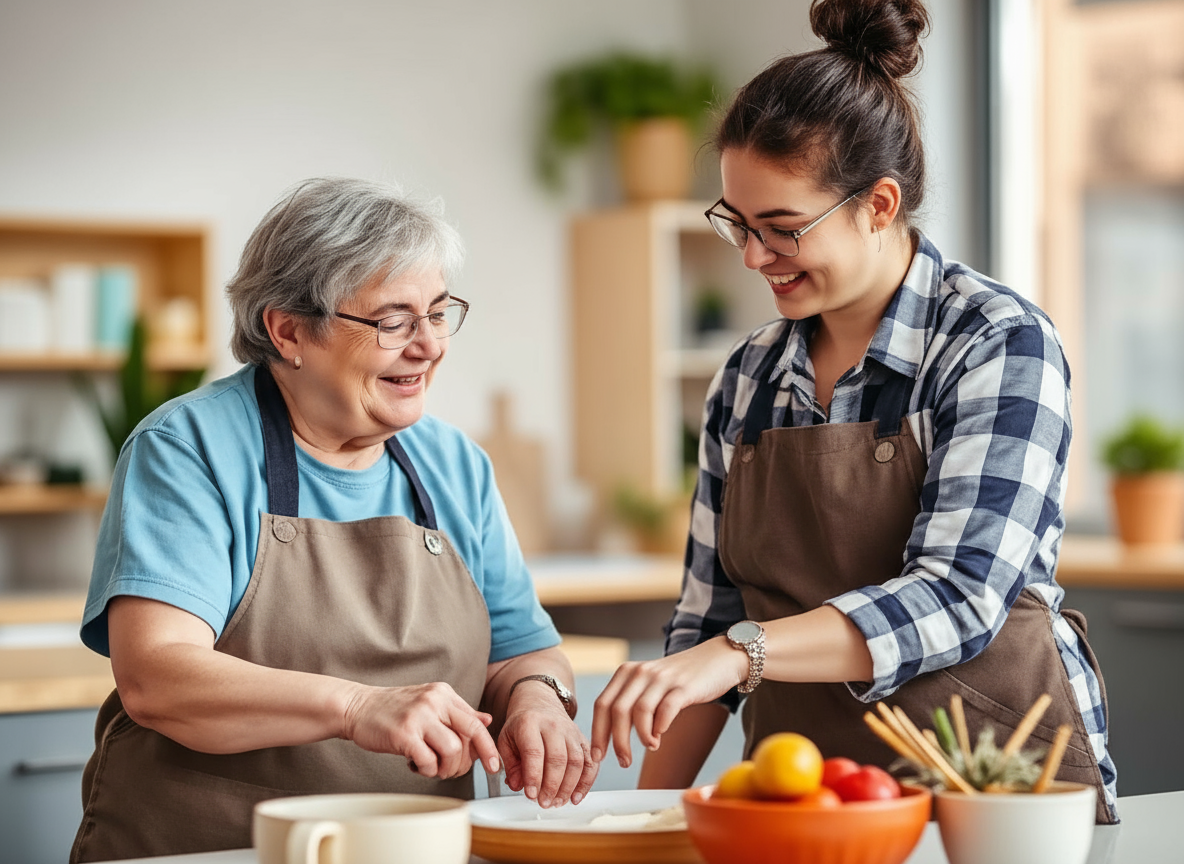
Learning practical skills for independent living including meal planning and cooking, grocery shopping and budgeting, laundry and clothing care, maintaining personal hygiene routines, and managing household cleaning and organization.
These foundational skills create the basis for independent living. We don't just do these tasks for you—we teach you how to do them yourself, at a pace that works for you. Whether you're learning from scratch or refining existing skills, our approach focuses on building competence and confidence.
Social and Communication Skills
Developing skills for effective communication and social interaction including understanding social cues and body language, initiating and maintaining conversations, developing and maintaining friendships, conflict resolution and problem-solving, and using technology for social connection.
Strong social skills are essential for building relationships, succeeding in employment, and feeling connected to your community. We provide practical opportunities to practice these skills in real-world settings, with support and feedback to help you grow in confidence.
Community Access and Navigation
Learning to confidently access and navigate your community including using public transport safely and independently, finding and accessing community resources, participating in community activities and events, understanding personal safety in public spaces, and managing money and banking.
Your community is full of opportunities, and having the skills to access them independently opens up your world. We provide supported practice in real community settings, helping you build the knowledge and confidence to go where you want to go and do what you want to do.
Health and Wellbeing Management
Taking control of your health and wellbeing including understanding and following medical advice, managing medications safely, making healthy food choices, engaging in physical activity, recognizing and communicating health concerns, and scheduling and attending appointments.
Your health is your most important asset, and being able to manage it yourself is a crucial life skill. We help you understand your health needs, develop routines that support wellbeing, and build confidence in communicating with healthcare providers.
Employment and Education Readiness
Developing skills for work and study success including time management and organization, following instructions and workplace routines, working collaboratively with others, problem-solving in work situations, using technology for work or study, and understanding workplace rights and responsibilities.
Employment and education are key pathways to independence and fulfillment. We help you develop the soft skills and work-ready behaviors that employers value, preparing you for success in your chosen career or educational pathway.
Decision-Making and Self-Advocacy
Building skills for self-direction and autonomy including making informed choices about your life, speaking up for your needs and preferences, understanding your rights and responsibilities, setting personal goals and working toward them, and accessing information to make decisions.
The ability to make your own decisions and advocate for yourself is perhaps the most empowering skill of all. We support you to develop critical thinking, understand options, weigh consequences, and confidently assert your preferences—because your life should be directed by you.
Our Approach to Life Skills Development
At MaxAbility Services, we've developed a structured yet flexible approach to life skills development that has helped hundreds of participants achieve their independence goals.
Assessment and Goal Setting: We begin by getting to know you—your strengths, interests, challenges, and most importantly, your goals. What do you want to be able to do that you can't do now? Where do you see yourself in a year? What would independence look like for you? Through collaborative discussion and sometimes formal assessment tools, we identify priority areas for skill development and set specific, measurable, achievable goals.
Individualized Learning Plans: Every participant receives a personalized learning plan that breaks down complex skills into smaller, achievable steps. These plans are not one-size-fits-all—they're designed specifically for you, taking into account your learning style, pace of learning, communication preferences, and any specific support needs. Plans are reviewed regularly and adjusted based on your progress and changing goals.
Learn by Doing: We believe the best way to develop life skills is through hands-on practice in real-world situations. Rather than talking about skills in a classroom, we practice them where you'll actually use them—in your home, in community settings, in workplaces or educational institutions. This approach helps ensure that skills transfer to everyday life and are maintained over time.
Graduated Support: As your skills develop, we gradually reduce the level of support we provide. This might mean moving from full demonstrations to partial assistance, from constant prompting to occasional reminders, from direct supervision to independent practice with check-ins. This gradual fading of support helps build confidence and ensures you're truly developing independent capability.
Positive, Strengths-Based Focus: We celebrate every achievement, no matter how small it might seem to others. We focus on what you can do and what you're learning, not on deficits or limitations. Our staff are trained to provide encouragement, recognize effort, and help you see your own progress, building your motivation and self-belief along the way.
The Life-Changing Impact of Skills Development
The benefits of life skills development extend far beyond the specific skills learned. Participants in our programs consistently report improvements across multiple areas of their lives.
Increased Independence: Perhaps the most obvious benefit is the ability to do more for yourself. Participants who complete our programs often reduce their reliance on other supports, move into more independent living situations, take on employment, and generally have more control over their daily lives. This independence brings a sense of accomplishment and self-determination that transforms quality of life.
Enhanced Confidence and Self-Esteem: As you master new skills, your belief in your own capabilities grows. Participants often tell us that they feel more confident not just in the specific skills they've learned, but in their ability to learn new things and tackle challenges. This enhanced self-efficacy ripples out to affect all areas of life.
Greater Social Connection: Many social barriers stem from a lack of skills or confidence in social situations. As participants develop communication skills, learn to navigate community spaces, and build confidence in social interaction, they often find it easier to make friends, maintain relationships, and feel part of their community. This social connection is vital for mental health and wellbeing.
Improved Employment Prospects: The skills developed through our programs—particularly in areas like time management, communication, following instructions, and workplace behavior—are highly valued by employers. Many participants have successfully obtained and maintained employment after completing skills development in these areas.
Better Health Outcomes: When you have the skills to manage your own health—making nutritious meals, staying physically active, managing medications, communicating with health providers—your overall health typically improves. Participants often report better physical health, improved mental wellbeing, and greater ability to manage any health conditions they live with.
Who Can Benefit from Life Skills Development?
Development Life Skills programs are suitable for NDIS participants across a wide range of ages, disability types, and skill levels. You might benefit from these services if:
You're a young person transitioning from school to adult life and want to build skills for independent living
You're planning to move out of the family home and need to develop skills for managing your own household
You want to increase your independence and reduce reliance on family carers or support workers
You're preparing for employment or education and need to develop work-readiness skills
You want to participate more fully in your community but lack confidence or skills to do so
You've recently acquired a disability and need to learn new ways of doing familiar tasks
The beauty of our individualized approach is that it works regardless of your starting point. Whether you're beginning with very basic skills or looking to refine more advanced capabilities, we meet you where you are and support you to reach your goals at a pace that works for you.
Success Stories: Real Impact, Real Lives
While we maintain our participants' privacy, we want to share some examples of the transformative impact that life skills development can have.
"Sarah, a 24-year-old with intellectual disability, came to us living with her aging parents and had never prepared a meal independently. Through our cooking and meal planning program, she learned not just recipes, but how to plan meals for the week, shop within a budget, and use kitchen appliances safely. Six months later, Sarah was cooking dinner for her family twice a week and had gained confidence to explore new recipes. Her parents reported that the whole family dynamic had improved—Sarah felt valued and capable, and they had more time for quality family activities rather than being focused solely on care tasks."
"James, who has autism spectrum disorder, struggled with public transport and rarely left his local area. His goal was to be able to visit his brother who lived across Sydney. We developed a travel training program specifically for this route, practicing the journey in gradual steps over several weeks. Now James travels independently to visit his brother monthly, and has used his new confidence to explore other parts of Sydney he was previously afraid to visit. His brother says the regular visits have strengthened their relationship immensely."
These stories represent just a fraction of the positive outcomes we see every day. The common thread is that when people develop skills that matter to them, supported by patient, skilled coaching, they achieve things that once seemed impossible.
Common Questions About Development Life Skills
How long does it take to develop new life skills?
The timeline varies greatly depending on the complexity of the skill, your starting point, and how frequently you practice. Some simple skills might be learned in a few weeks, while more complex skills or comprehensive programs might take several months. We work at your pace and never rush the process—sustainable skill development takes time, and we're committed to ensuring skills are truly embedded rather than superficially learned.
What if I've tried to learn these skills before and failed?
Previous unsuccessful attempts don't predict future outcomes, especially when the teaching approach, pace, or support level wasn't right for you. Our individualized approach means we can adapt to what works for you specifically. We break skills down into much smaller steps if needed, use different teaching methods, provide more practice time, or adjust the learning environment—whatever it takes to help you succeed.
Can I work on multiple skill areas at once?
Yes, and often this makes sense because skills are interconnected. For example, you might be working on cooking skills and money management simultaneously as part of preparing for independent living. However, we're mindful not to overwhelm you with too much at once, so we'll work with you to prioritize and pace the learning appropriately.
What happens after I've learned the skills?
The goal is for you to maintain and continue using the skills independently. However, we can provide ongoing support for skill maintenance, help you generalize skills to new situations, or move on to developing new skills as your goals evolve. Some participants graduate from intensive skills development to occasional check-ins, while others continue working on new skill areas as their confidence grows and goals expand.
Ready to Build Your Independence?
Contact Max Ability Services today to discuss your goals and discover how our Development Life Skills programs can help you achieve them.